Comprehensive eye care

Routine eye examinations through to surgery, under one roof — and coordinated with the optometrist you already see. Most problems we treat are easier to deal with when they are found early, which is what a regular exam is for.

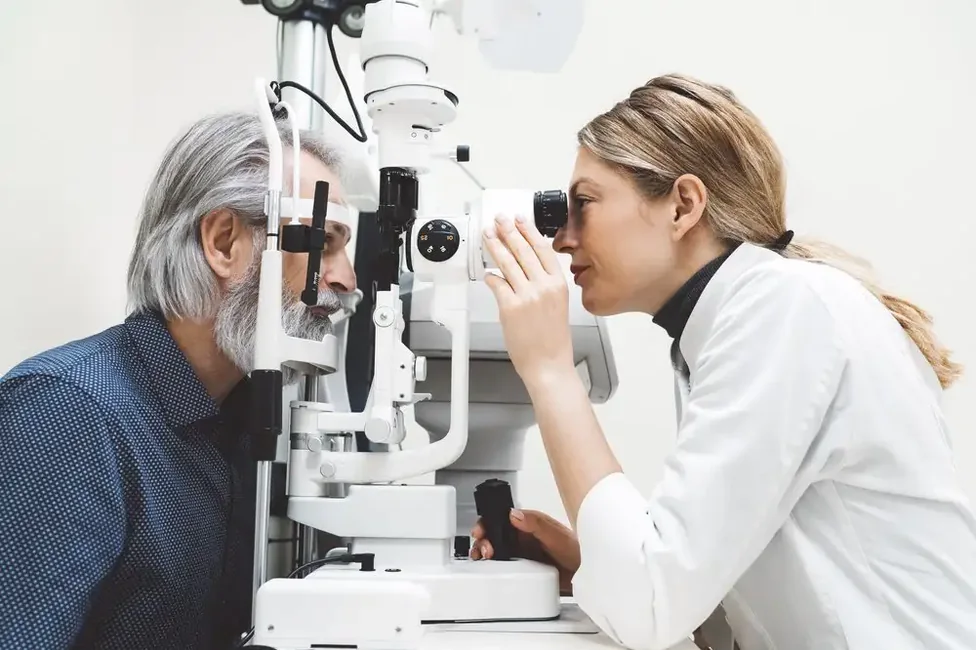
An ophthalmologist examining a patient’s eyes at a slit lamp during a routine eye exam.
A full examination is the foundation of everything else we do.

Care at Spectrum Eye Institute

The professional and administrative staff at Spectrum Eye Institute strive to provide our patients with the best in medical and surgical services. Our refractive surgeons work closely with your optometrist in a coordinated effort to achieve the best possible outcome for you.

We offer state-of-the-art testing to get the most out of the vision available to you. Using the latest technology, we can detect possible problems before you experience any loss of vision or discomfort — which is the whole point of coming in before something feels wrong.

Examinations and surgeries

Patient services include routine eye examinations, cataract, glaucoma, oculoplastic, laser and refractive surgeries.

Routine eye examinations

Where most care starts

A full examination checks how well you see, how healthy the eye is, and whether anything is developing quietly in the background. If you have a history of eye disease, we will tell you how often to come back.

Cataract & lens surgery

Clouded lens, replaced

When a cataract clouds the eye’s natural lens, we replace it with a clear implant chosen around how you use your eyes. More on cataract surgery.

Glaucoma care

Testing and treatment

Glaucoma is painless and gives no warning, so testing is how it gets caught. More on glaucoma.

Laser & refractive surgery

Reducing your prescription

LASIK and related procedures reshape the cornea to correct nearsightedness, farsightedness and astigmatism. More on LASIK.

Before your appointment

A few things to have ready, so your visit runs smoothly:

  • Arrive 15 minutes before your appointment time
  • Bring your completed forms and your insurance cards
  • If your insurance requires a referral from your primary care physician, bring it with you
  • Bring a list of any medications you are currently taking
  • Expect that your eyes may be dilated — consider arranging a driver

Need the patient forms? You’ll find them on our Patient Info page, or call (815) 729-3777 and our team will get them to you before your visit.

Book an eye exam

Whether it has been a year or rather longer, we’ll find you a time at New Lenox or Joliet.

Common questions

How often should I visit my ophthalmologist?

If you have a history of eye disease, we recommend making regular appointments and following up as your ophthalmologist advises. Call for more information or to schedule an appointment.

How do I know if I should schedule an appointment?

If you are having eye discomfort or trouble with your vision, schedule an appointment. Health conditions such as high blood pressure or diabetes also increase your risk for certain eye diseases. If you have questions or think you might need to be seen, call us.

What should I bring?

Your insurance information, any referral from your primary care physician if you have not already sent it to us, and a list of all medications you are taking.

Can I bring someone with me?

Always. An extra set of ears is helpful so you don’t forget anything important your ophthalmologist goes over with you — and if your eyes are dilated, you may be glad of the company on the way home.

Any tips for protecting my eyes?

Wear protective eyewear for things like mowing the grass, construction work and sports. If you wear contacts, take steps to prevent eye infections: wash your hands before handling them or touching your eyes, and replace them as directed.